
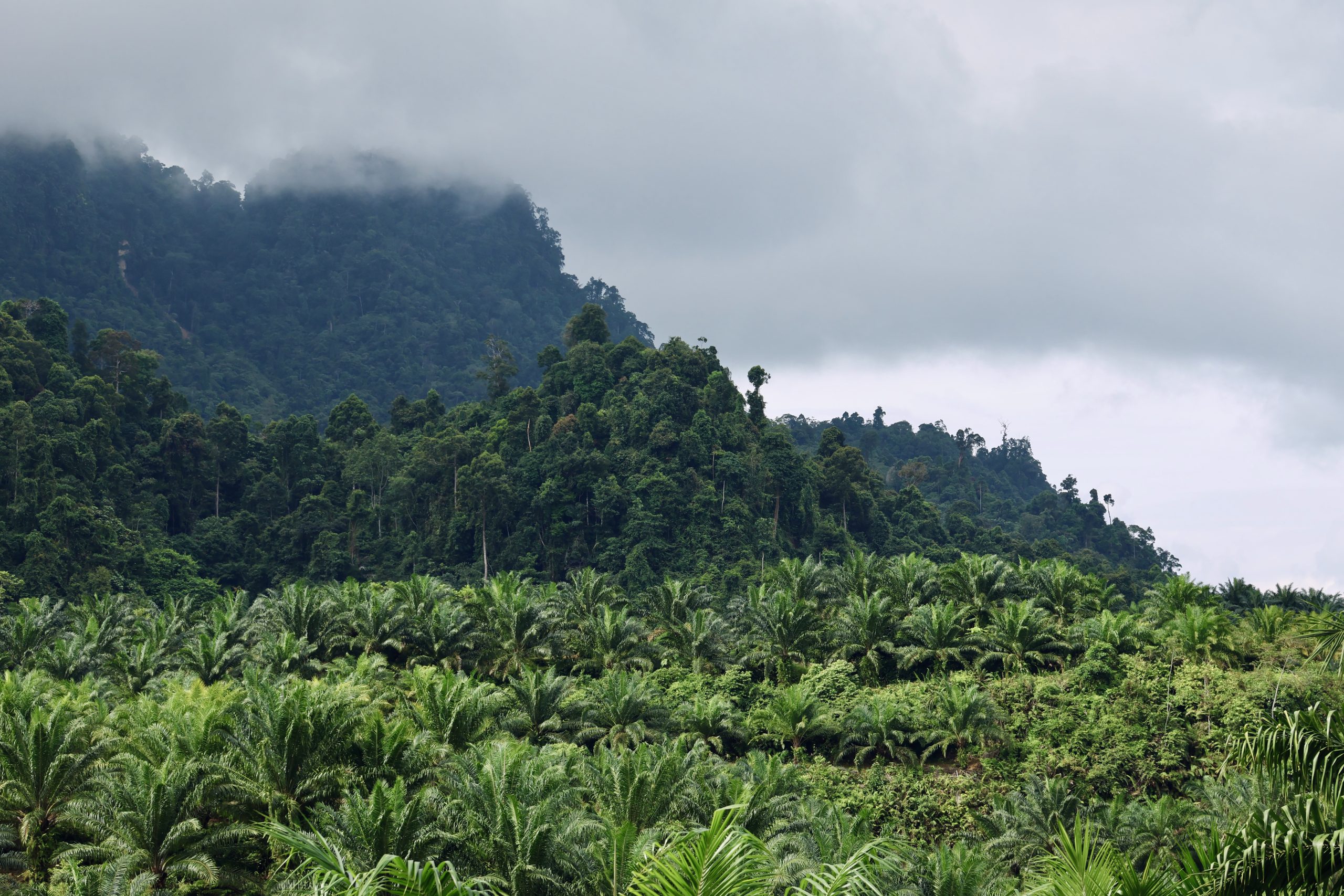
Indigenous communities in Tatau, Sarawak are calling on global palm oil buyers to investigate a plantation, where they say the company has cleared their customary forests without consent and is now threatening the river system they depend on.
Nine Iban longhouse communities along the Sungai Sap river say large areas of their native forests were cleared and converted into oil palm by the company Quality Avenue Sdn. Bhd., whose plantation supplies the nearby Solid Palm Oil Mill.
The plantation is certified under the Malaysian Sustainable Palm Oil (MSPO) standard. This certification is supposed to ensure sustainable practices, traceability and environmental compliance, and is also now mandatory for palm oil entities.
The forests were cleared before the MSPO standard’s 2020 deforestation deadline, making the plantation technically compliant with deforestation requirements. However, impacted communities say other aspects of the standard have been violated. They also stress that compliance with a technical cut-off date does not make the destruction of their forests acceptable.
Rivers at risk
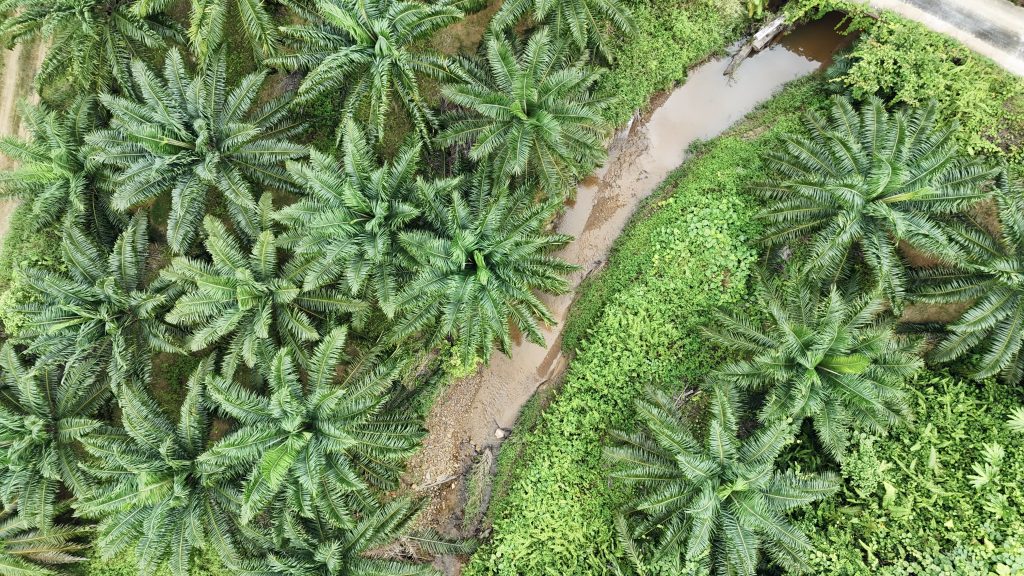
Communities say oil palm has been planted dangerously close to the Sungai Sap river system. A Borneo Project field investigation in February 2026 confirmed multiple places where palms were planted along the river with no buffer zone in place.
The river is a vital lifeline, providing drinking water, fishing grounds, and transportation for villages upstream and downstream. It also supplies water to the nearby town of Tatau, where more than 30,000 people live.
Residents report that plantation development has affected water quality in the river, raising concerns about contamination from plantation runoff.
A 2018 Social Impact Assessment commissioned by the community found catastrophic erosion caused by plantation areas established on slopes much steeper than the allowed limit, causing serious river siltation and water pollution. The report acknowledged that downstream communities depend heavily on the river system for water, fisheries, and subsistence livelihoods.
The assessment also highlighted the importance of surrounding forests for non-timber forest products, including rattan and other resources that support community livelihoods.
Customary lands documented
The 2018 Social Impact Assessment detailed the Pemakai Menoa (Native Customary Rights territories) of nearby longhouse communities.
This documentation indicates that the presence, land use, and dependence of these communities on the forest and river systems were formally documented and known prior to plantation development.Community leaders say this raises serious questions about how a project could proceed on recognized customary lands without securing their agreement, and about the resulting impacts on the river that Quality Avenue must have known many communities depended on for water and food security.
Communities want their land back — not compensation
The affected longhouses say they are not seeking a financial settlement. Instead, they are calling for the reinstatement of their customary lands and restoration of much of their forests.
According to the 2018 Social Impact Study, community members are repeatedly denied access to their lands within the plantation boundaries to collect forest produce and to hunt and fish.
“Our land was taken without our consent and our river was damaged,” said a community representative. “We want the companies that buy this palm oil to know where it comes from, and we want our land returned to us.”
Global buyers urged to act
According to public mill data, palm oil processed at the Solid Palm Oil Mill is linked to numerous international buyers including:
- Wilmar International
- Pacific Inter-Link
- Biesterfeld Spezialchemie
- Symrise
- Barry Callebaut
- Avril Group
- Lion Corporation
- FrieslandCampina
- Sakamoto Yakuhin Kogyo
- Neste
- Indorama Corporation
Many of these companies have adopted No Deforestation, No Peat, No Exploitation (NDPE) commitments intended to prevent exactly these kinds of issues. Communities say those commitments must now be tested. Wilmar International, Neste and Sakamoto Yakuhin Kogyo responded to our requests for information and are now investigating the implicated mill.
After years of raising concerns through local channels, they are calling on palm oil buyers and brands linked to the supply chain to:
- Investigate the plantation and land conflict
- Look into water quality and potential river damage
- Suspend sourcing from Quality Avenue Sdn. Bhd. and Solid Palm Oil Mill
- Support the restoration of Indigenous land rights.
The people of Sungai Sap don’t want a pay off, they want their land back. We stand with communities demanding environmental justice.