
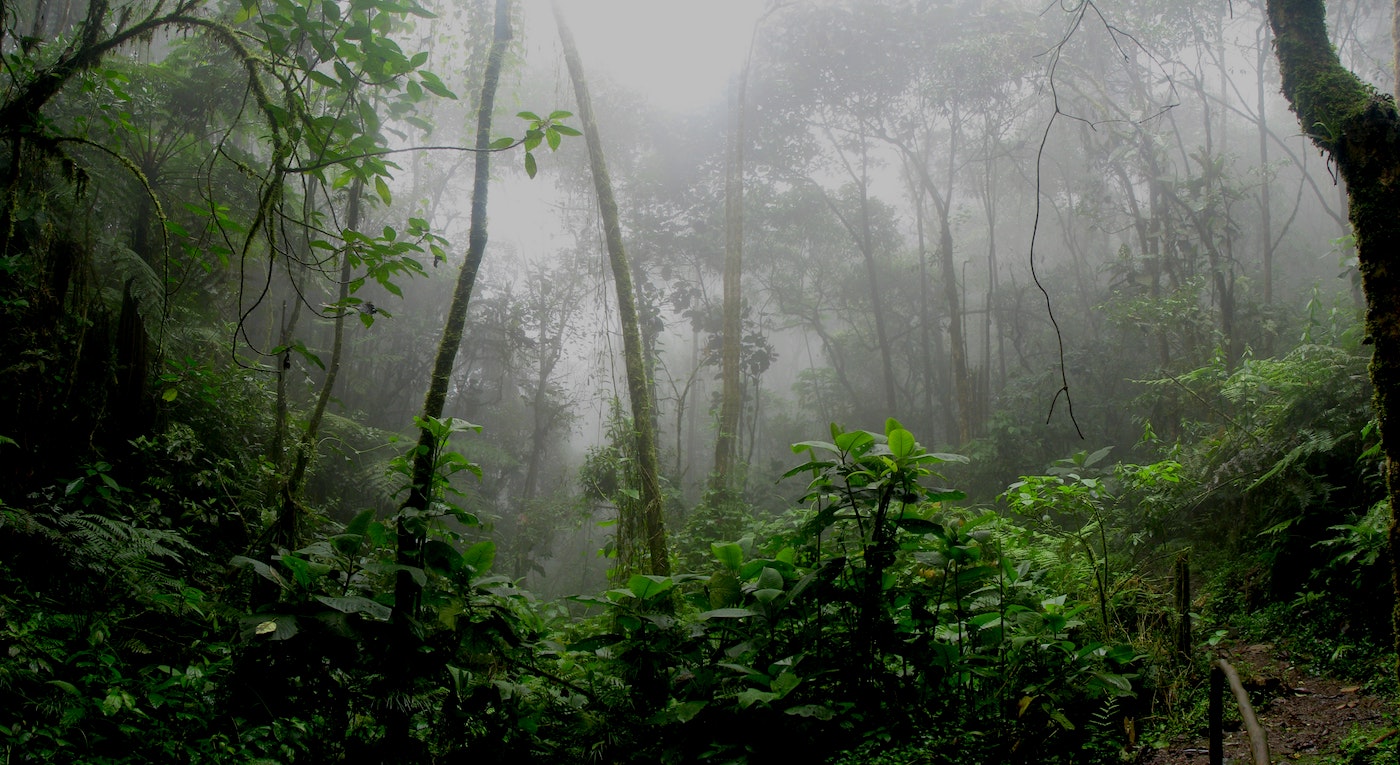
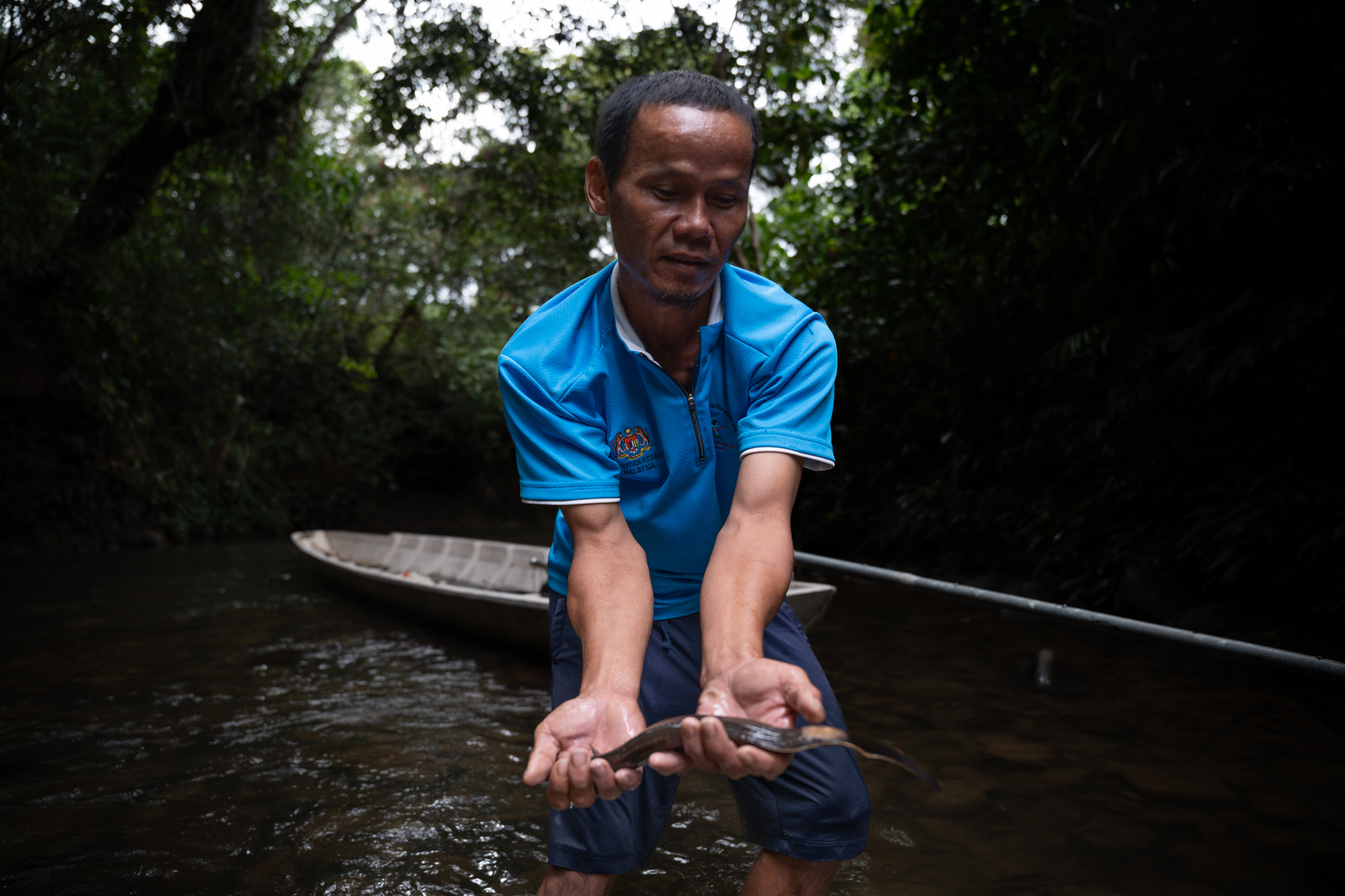
For generations, Indigenous communities across Sarawak have governed and cared for vast stretches of forest, not as “protected areas” on paper, but as living territories that sustain their cultures, livelihoods, and identities. These communal forests are not empty wilderness. They are places of farming, hunting, fishing, gathering, ceremony, and history. They are where rivers are protected, wildlife is managed, and customary rules regulate how land and resources are used.
In the Upper Baram, these systems are still very much alive. Orang Ulu communities continue to manage forest areas through customary institutions that determine where farming can happen, which forests are strictly protected, and which rivers and watersheds must remain untouched. In Kenyah villages like Long Tungan, Long Semiyang, and Long Moh, communities have set aside large forest areas where logging, farming, and hunting are restricted or entirely prohibited — not because of state directives, but because of collective community decisions to protect future generations’ access to forest resources. Yet in the eyes of the Sarawak government, these forests are invisible, except as lucrative logging and palm oil concessions.
Under Sarawak’s land system, most Indigenous territories are formally classified as state land, regardless of how long communities have lived on and managed them. While the government technically recognizes Indigenous land through Native Customary Rights (NCR), the Sarawak Land Code has restrictions and limits that mean the full extent of territories cannot be recognized. While there have been some recent improvements, the process of applying is still often lengthy and difficult. For these reasons, communities rarely succeed in legal recognition of their land rights.
Even where communities have clear customary systems governing forest use, decision-making power ultimately rests with the state. This legal framing reduces Indigenous peoples to temporary occupants on their own ancestral territories — while opening the door for logging, plantations, and infrastructure projects to be approved without their consent.
In Baram, this has played out repeatedly. Logging concessions have overlapped with community-managed forests for decades, even in areas where villages have long-established no-cut zones. Communities that have invested time and resources into protecting forest areas for water catchments and wildlife have watched as these same areas are allocated on paper to timber companies. In some cases, parts of forests that villages have protected for generations are bulldozed overnight as part of industrial concessions.
Communal forests are not unregulated spaces. In the village of Long Tungan, for example, the community maintains a forest reserve where no extraction of any kind is allowed: the Ba’i Keremun Jamok (Jamok Treasured Forest). These rules are upheld through village meetings, fines, and social accountability — often with far greater local legitimacy than state enforcement mechanisms.
These are living governance structures under adat — customary law and tradition — that continue to evolve in response to changing needs, population shifts, and environmental pressures. In many Baram communities, forest protection is tied directly to concerns over river pollution, declining fish stocks, and the long-term impacts of upstream logging. Villagers understand that once a watershed is damaged, the consequences are immediate: muddy water, reduced fish, flooding, and loss of clean drinking sources. But because protection and oversight systems are rooted in customary law rather than state titles, they are viewed as illegitimate to official conservation and land-use planning frameworks.
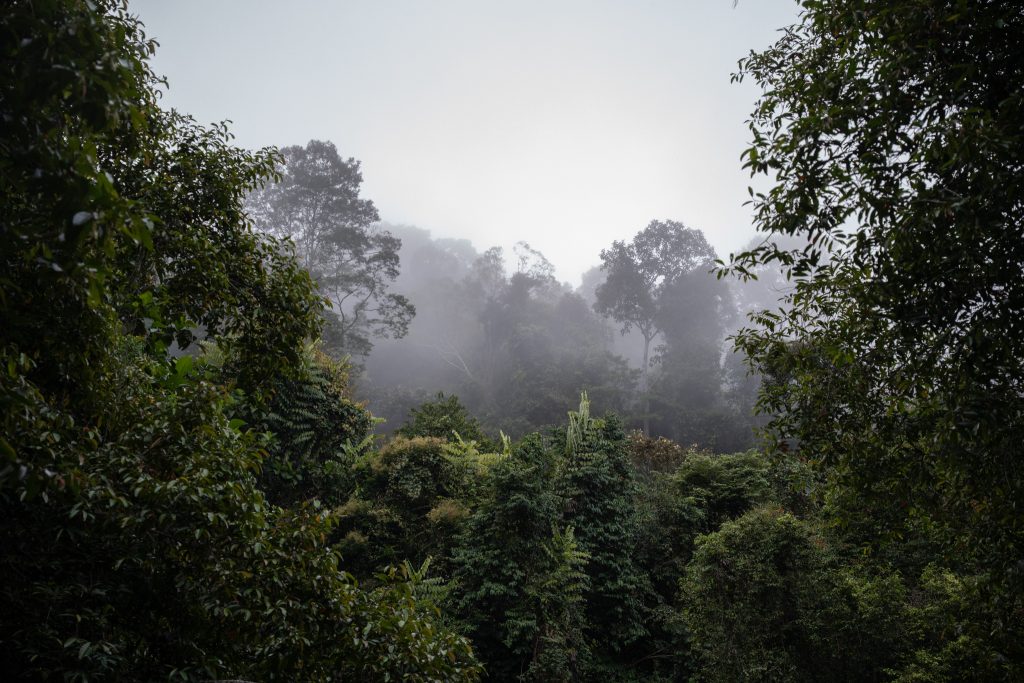
At the same time, these forests face relentless external pressure. Logging concessions in the Baram region are continuing to fragment large forest landscapes, creating a patchwork of degraded areas alongside community-protected forests. Plantation expansion and infrastructure projects like major roads or dams threaten to further encroach on communal territories. Even when concessions are suspended or certification is withdrawn, the underlying land status often remains unchanged, leaving communities in a state of ongoing uncertainty about whether their forests will be targeted next.
The result is a system in which communities are expected to act as forest stewards, while being denied the authority and security needed to actually defend those forests. This contradiction is especially stark given Malaysia’s public commitments to biodiversity conservation and climate action. At the international level, Malaysia has pledged to expand conservation coverage and meet global targets for protecting ecosystems. But in Sarawak, forests that are effectively conserved through community governance — including large areas in the Upper Baram — rarely count toward these goals. Because the state retains control over land tenure, community-managed forests fall through the cracks: protected in practice, but unrecognized in policy. In effect, Sarawak benefits from Indigenous conservation without acknowledging Indigenous authority.
Faced with this reality, many Baram communities are taking matters into their own hands. Villages are documenting their land use, mapping forest boundaries, and formalizing customary rules that have long governed their territories. Through participatory land-use planning, communities are clearly identifying farming areas, water catchments, wildlife zones, and strictly protected forests. In places like Long Tungan, Long Moh, and Long Semiyang, these processes are being used to strengthen village governance and assert community priorities in the face of external pressure.
Internal pressures also weigh heavily. In Baram, youth migration to towns and cities threatens the inheritance of traditional ecological knowledge. Economic pressures push some families toward wage labor linked to logging or plantations. Divisions within villages can weaken collective decision-making. These dynamics make it harder for communities to sustain the very systems that have protected their forests for generations. Still, the greatest obstacle remains structural: a land regime that refuses to fully recognize Indigenous governance and treats customary territories as state property by default.
As long as this framework remains in place, communal forests in Baram will continue to exist in a legal gray zone — protected by communities, yet vulnerable to extraction; governed in practice, yet dismissed in policy. The communal forests of the Upper Baram represent some of Sarawak’s most intact and ecologically important landscapes. They safeguard rivers, maintain wildlife corridors, and support food security for entire regions downstream. They do so through locally rooted governance systems that cost the state little — and deliver enormous environmental and social benefits. Ignoring these systems undermines both environmental goals and Indigenous rights.
Sarawak stands at a crossroads. One path continues the status quo: expanding extraction, weakening customary governance, and treating community-managed forests as expendable state assets. The other path recognizes what has long been true on the ground in places like Baram — that Indigenous communities are not obstacles to conservation, but among its most effective stewards. The future of Sarawak’s forests will be shaped not only by policies signed in Kuching or commitments made in international forums, but by whether the state is willing to see and respect the governance systems that have kept these forests standing for generations.
Until communal forests in Baram are recognized not just as land, but as living territories governed by living communities, Sarawak’s conservation story will remain incomplete — and its development narrative built on the continued erasure of Indigenous authority.