
In the Upper Baram region of Sarawak, Malaysia, a large-scale logging operation continues despite widespread complaints from Indigenous communities. Meanwhile, the timber company abandons a 30-door longhouse construction project that was promised as compensation.
Controversial logging operations carried out by Borneoland Timber Resources Sdn. Bhd. (“Borneoland”) in Sarawak’s Upper Baram continue. This is despite mounting public criticism and a well-documented report highlighting concerns over the concession, including alleged environmental and human rights violations.
In a recent statement, Sarawak Forest Department Director Mohammad Hamden confirmed that Indigenous communities in the Upper Baram are frustrated with the concession. Yet, to date, the authorities have failed to adequately address their concerns or take meaningful action to resolve the situation.
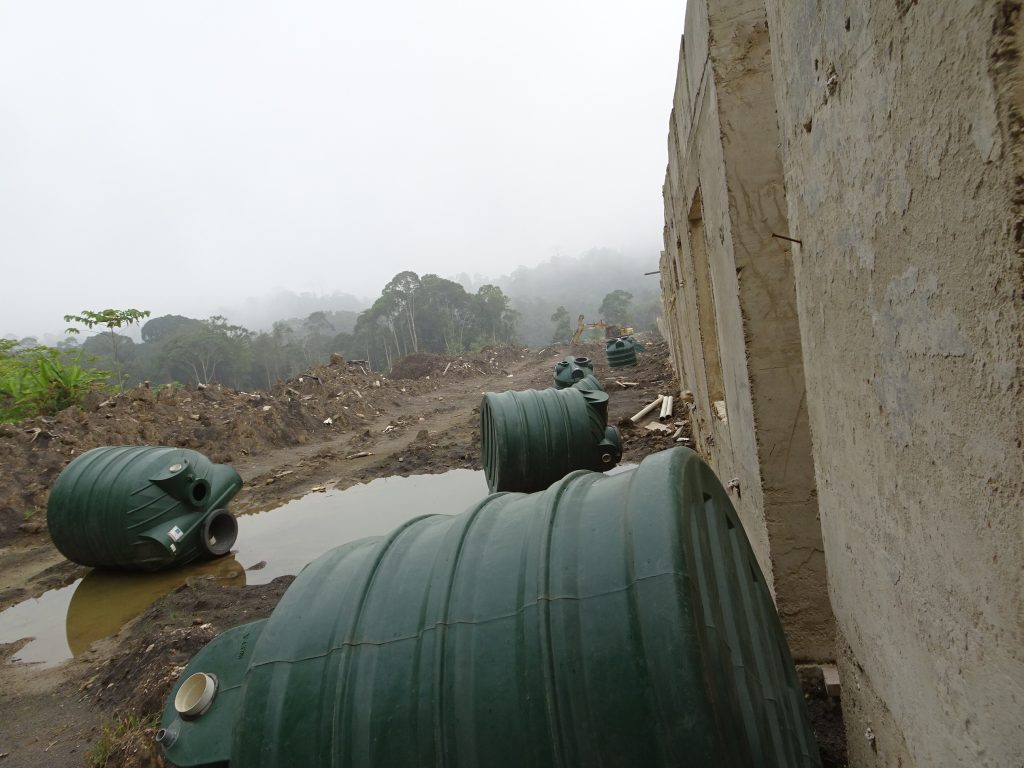
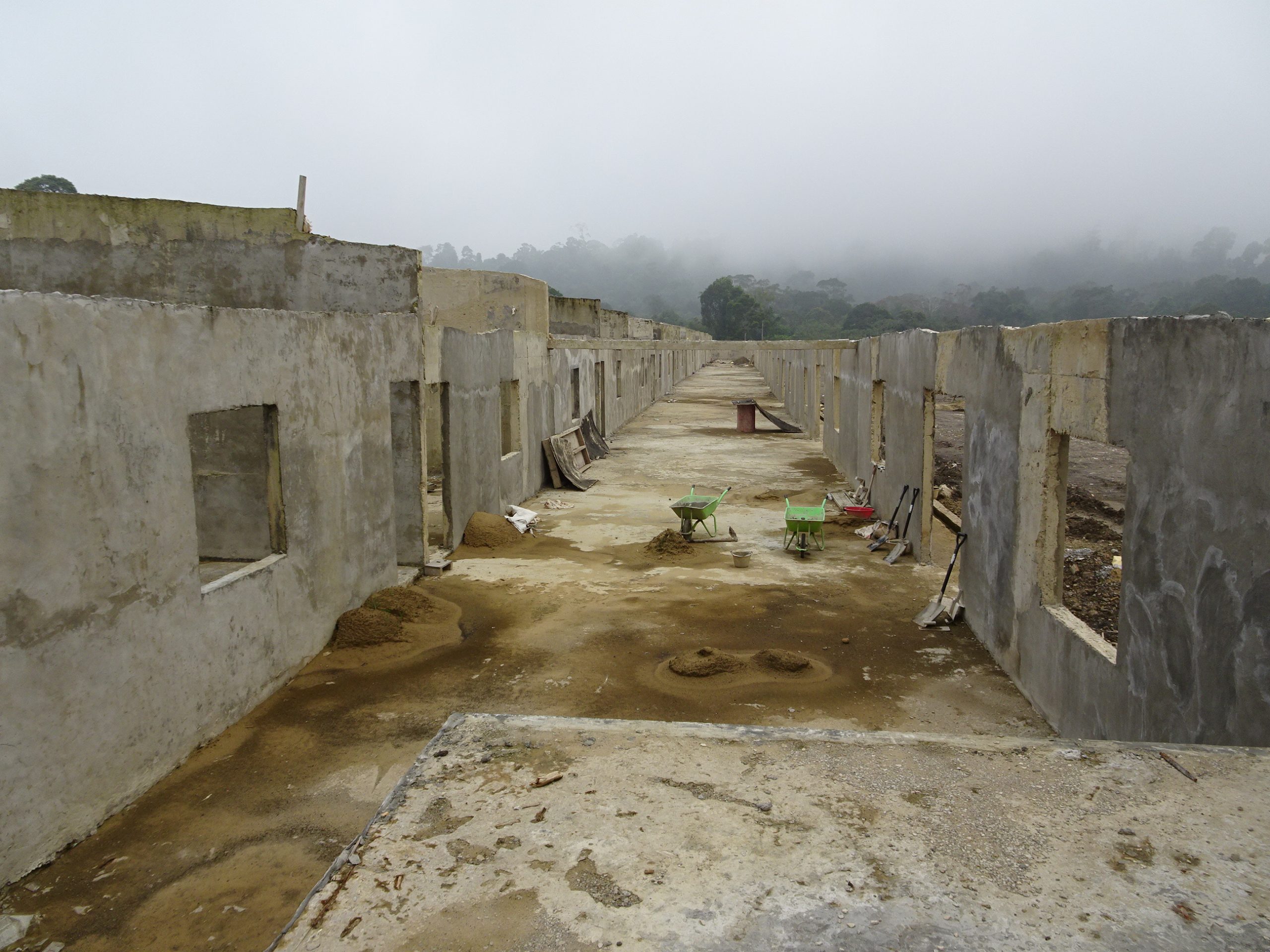
In an embarrassing development for the Sarawak government, Borneoland abandoned a 30-door longhouse construction project in Ba Data Bila after logging activities moved to another area. In March 2025, Deputy Minister in Sarawak Premier’s Department Datuk Gerawat Gala had conducted the groundbreaking ceremony, promising the Penan community that the new longhouse will improve living conditions of the local community.
Borneoland had committed to building a 30-door-longhouse for villagers in Ba Data Bila as part of a compensation agreement. However, construction works have been stopped midway, and the longhouse remains unfinished and empty. According to local sources, the company failed to pay the Indonesian workers hired for the project, prompting them to return home. As a result, the longhouse remains incomplete. It appears that Borneoland lost interest in keeping their promise after logging activities moved to a different village.
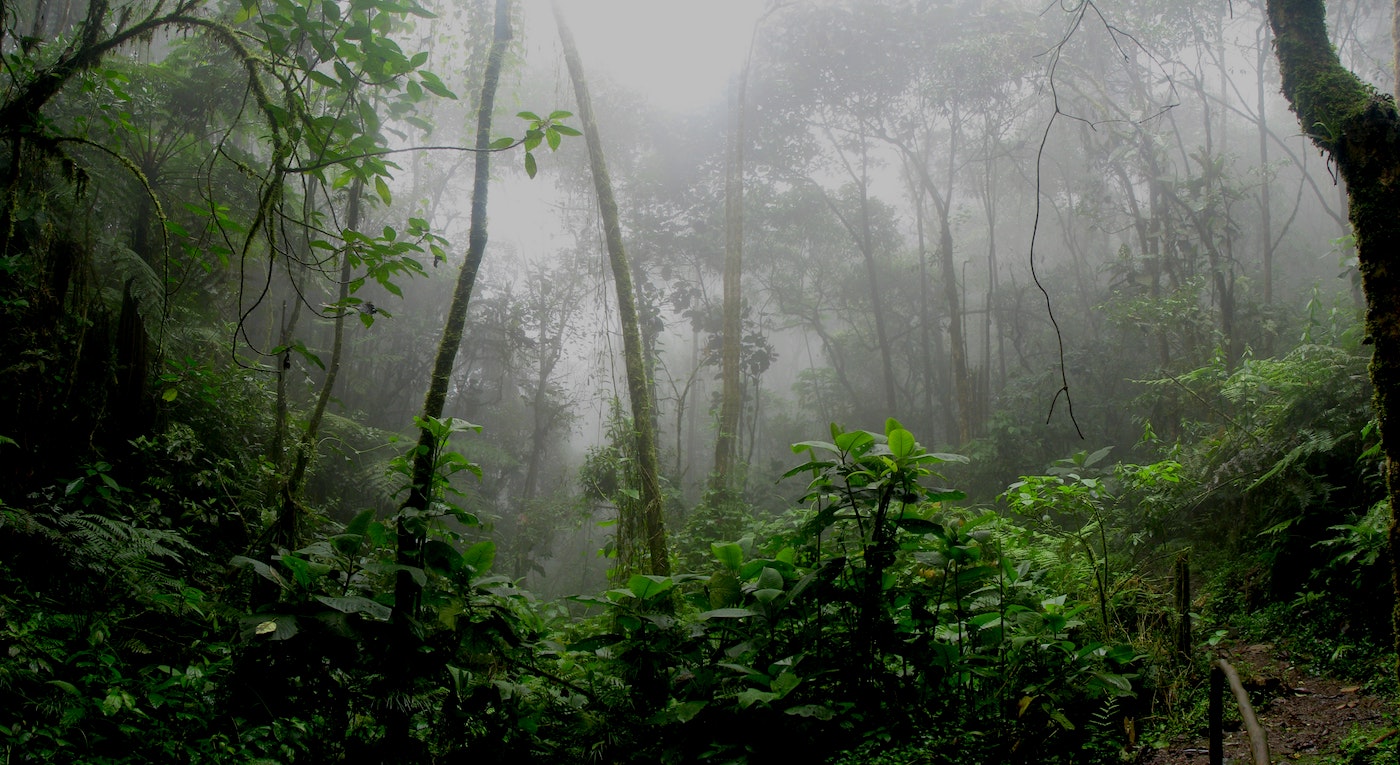
Borneoland’s logging operations have been ongoing since 2024, threatening some of Sarawak’s last remaining primary rainforests outside totally protected areas. Indigenous communities have spent more than a decade working to establish the Baram Peace Park in the area, an Indigenous-led conservation initiative aimed at protecting the region’s forests, biodiversity, and Indigenous livelihoods.